
Analyzing Competitor Backlinks to Find Outreach Targets
Your competitors' link profiles show you exactly where to look. This method reveals high-quality prospects you might've missed, plus tells you which topics resonate in your industry.

LinkVault Calgary Editorial Team
Editorial Team
Written by the LinkVault Calgary editorial team, focused on practical, transparent guidance for building authority through thoughtful link acquisition.
Why Your Competitors' Links Matter
Here's the thing: if a site linked to your competitor, there's a decent chance they'd link to you too. You're not copying their strategy — you're identifying places that already value content in your industry. It's like finding websites that've already said "yes" to your niche.
Most people start outreach cold. They search for relevant topics, find loosely related sites, and send emails. It works sometimes. But competitor backlink analysis flips this around. Instead of guessing, you're working with actual proof that certain websites link to businesses like yours.
Plus, you'll notice patterns. Maybe your competitor gets linked to by industry blogs, news outlets, or resource directories. Those patterns tell you where your audience hangs out. Where journalists and bloggers look for sources. That's invaluable information most people never dig into.

Key insight: Not all competitor links are worth pursuing. You'll want to filter for relevance, authority, and whether they actually link to similar content. We'll cover that next.
The Process: Finding and Analyzing Competitor Links
You don't need expensive tools to do this. What you do need is patience and a clear process. Here's how it works.
Identify Your Competitors
Start with 2-4 direct competitors. Not your entire industry — just the sites ranking for keywords you're targeting. If you're doing link building for a Calgary marketing agency, look at the other agencies showing up in search results for "link building Calgary" or similar terms.
Pull Their Backlink Data
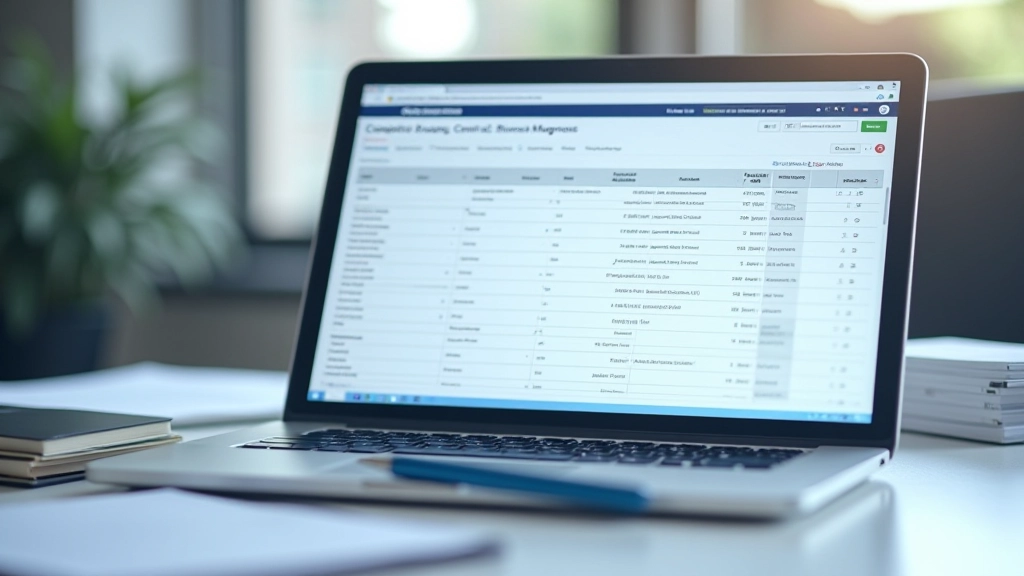
Use a free backlink checker (Ahrefs free tool, Moz Open Site Explorer, or even Google Search Console for your own domains). You're looking for the domains linking to them. Don't get overwhelmed by the volume — most links won't be relevant to you.
Filter for Quality
Look for sites with actual authority (domain rating 20+), that publish regularly, and have real audiences. A link from a dormant blog with zero updates isn't worth your time. Also check: are they linking to similar content? If they link to your competitor's "about" page, they probably won't link to yours.
Research the Site & Contact
Spend time on the site. What do they publish? Who's the editor? Do they have a contact page? Your goal isn't to mimic your competitor's email — it's to understand why they linked in the first place, then pitch something better or more relevant.

What This Reveals About Your Industry
When you look at where your competitors get linked, you're essentially looking at a heat map of your industry. Certain topics attract links consistently. Certain websites have gatekeeping power. You'll notice trends you wouldn't see any other way.
For example, maybe you notice your competitors all get linked from industry directories. That's a signal — directories matter in your space. Or maybe tech publications consistently link to competitor content about your industry. That tells you where journalists look for sources.
You'll also spot content gaps. If multiple competitors get linked for "best practices" content but nobody's linked to a "case study" approach, that might be your angle. It's reverse engineering your industry's information preferences.
Common Patterns You'll Find
- Industry publications that link to multiple competitors (they're open to pitches)
- Directories specific to your field (often underutilized outreach targets)
- Educational resources and how-to sites that link to established players
- Local/regional news outlets covering industry trends
- Resource pages linking to tools, guides, or expert content

Building Your Outreach List from Competitor Intelligence
Once you've analyzed your competitors' backlinks, the next step is turning that data into an actual outreach list. This is where most people go wrong — they just copy the competitor's link sources and send similar pitches.
Prioritize Relevance Over Authority
A link from a moderately authoritative site that's deeply relevant to your industry beats a link from a high-authority site that barely knows your space. If they link to your competitor because of shared audience or topic overlap, they're a real prospect. If they linked once in 2019, they're not.
Look for Active, Updated Sites
Check the site's publication frequency. Are they posting this month? Last month? If their last update was 18 months ago, they're probably not actively adding new links. You want sites that are live and making editorial decisions right now.
Understand Their Linking Patterns
Some sites link to competitor "how-to" guides. Others link to case studies or company announcements. If you can figure out what type of content they link to, you can pitch exactly that. Don't pitch a resource list to a site that only links to news. Don't pitch opinion to a site that only wants how-to guides.

The Real Advantage
Analyzing competitor backlinks isn't about copying. It's about learning where your industry actually shares information. You're finding websites that've already decided your space is worth covering. They've already made the leap from "general interest" to "we care about this industry."
That's the key difference between cold outreach and informed outreach. You're not guessing. You're walking through a door you know opens for your niche.
The process takes time — maybe 4-6 hours to thoroughly analyze 2-3 competitors and build a solid outreach list of 30-50 prospects. But you'll have targets that've already proven they link to content like yours. Your pitch response rate will be noticeably better than generic outreach. And you'll understand your industry's information ecosystem in a way most link builders never do.
Disclaimer
This article provides educational information about link building research methods and competitive analysis approaches. The techniques described are for informational purposes to help you understand how backlink analysis works. Results vary based on your industry, content quality, and outreach execution. This is not guaranteed to produce specific outcomes, and your actual results will depend on many factors including the quality of your content, how well your outreach is personalized, and the receptiveness of your target websites. Always ensure your outreach practices comply with email regulations and the terms of service of any platforms or tools you use.
Continue Reading

Building Your First Outreach List Without Tools
Manual research methods that actually work. We'll walk you through finding relevant prospects without paid tools.

Relationship-Based Outreach: Beyond the Template Email
Personalized outreach gets better responses. Learn how to research journalists and editors before you pitch.

Understanding Domain Authority and What Actually Moves It
Domain authority isn't magic. We'll break down what metrics matter, which backlinks count, and how to prioritize.